
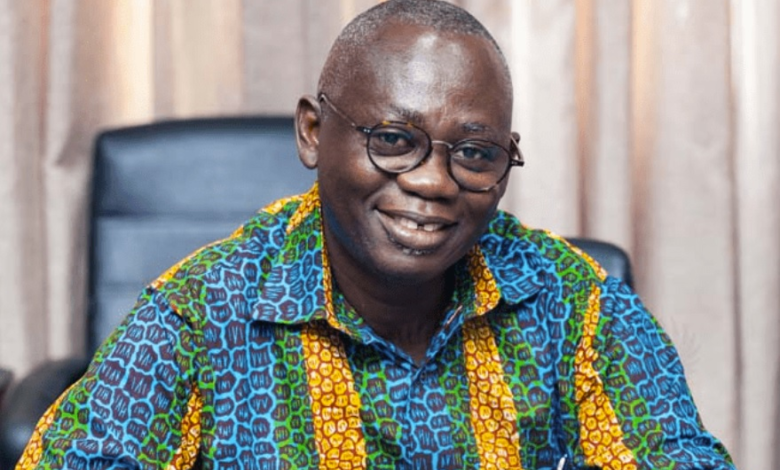
Former Director-General of the Ghana Education Service (GES), Prof. Kwasi Opoku-Amankwa, has dismissed claims that the double-track system contributed to poor West African Senior School Certificate Examination (WASSCE) results, describing such accusations as “pure political propaganda.”
He argued that the system should have been maintained because it allowed more Ghanaian children to access secondary education.
According to him, “I don’t know why people are complaining about the double-track system. I wish it would still be there. The facilities we need to build so that everyone can go to school, we cannot construct all of them immediately.”
Prof. Opoku-Amankwa explained that school placement challenges stem largely from the categorisation of schools into A, B, C and others, which influences students’ choices. He noted that because most students prefer Category A schools, pressure on these institutions keeps increasing.
He referenced former President J.A. Kufuor’s “model schools” initiative, which aimed to raise many schools to a high standard so that students would be willing to attend any school they were posted to.
The former GES boss stressed that the double-track system helped expand access by enabling schools that previously admitted smaller numbers to take in many more students.
“If Category A schools are only 93, and we enrol about 500,000 students every year, how can all of them go to these schools?” he asked. “This is why the double-track system is necessary. Without it, many of these children will have no schools to attend.”