Ghana’s once-thriving film scene may be on life support, and according to actress and producer Selassie Ibrahim, the people switching off the machine are the country’s own television stations.
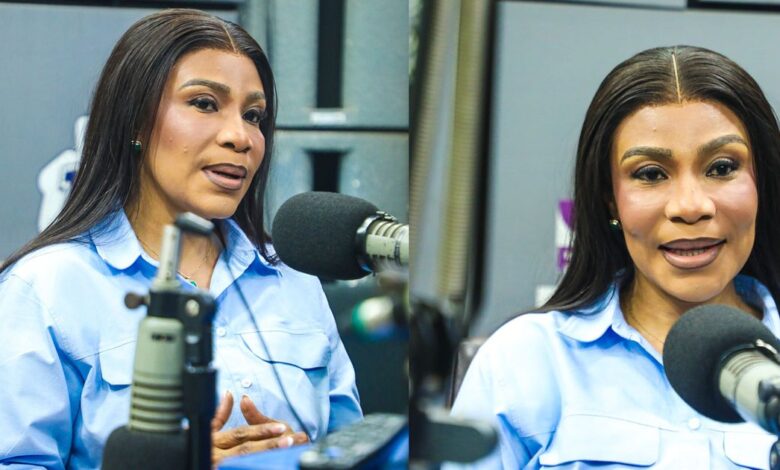
In a candid and impassioned conversation on Daybreak Hitz on Hitz FM, Ibrahim laid the blame squarely at the feet of local broadcasters, accusing them of sidelining Ghanaian productions in favour of bargain-priced foreign content and, in doing so, suffocating what was once a flourishing industry.
READ MORE: High Court’s judgment is sound; your appeal will be dead on arrival – Lawyer to Akosua Serwaa
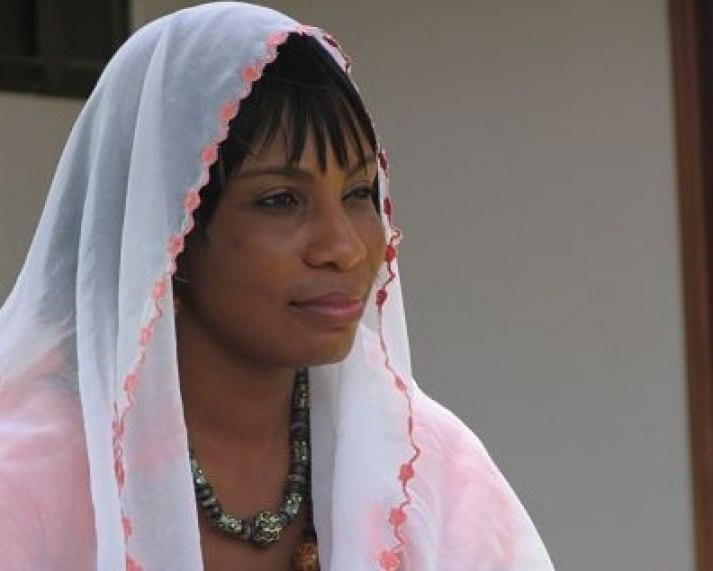
Selassie Ibrahim, CEO of Smarttys Management and Production
The veteran filmmaker, a prominent figure in the sector for decades, lamented that the economic reality for Ghanaian producers is now untenable. She argued that the acquisition fees offered by television stations are insultingly low, leaving producers deep in debt before a project even has a chance to reach an audience.
“The TV channels are not helping us. I’ll say it again. I don’t care what they think or what they say,” she stressed. “I’ve said it before and they bashed me, but I will keep saying it until they help us.”
Ibrahim revealed that while producers spend tens of thousands of dollars creating quality films, what they receive in return is shockingly meagre.
“You produce content and take it to the TV channels, and they look you in the eye and offer you a thousand Ghana cedis, when I’ve spent over $20,000 to $30,000,” she said.
What frustrates her even more, she said, is that these same stations are willing to purchase outdated foreign films, content that has already made its money globally, while refusing to pay fair rates for new Ghanaian work.
“They go and buy movies that are ten years old, films that have already made their money in cinemas and everywhere else,” she noted. “Yet they expect us to sell ours to them for the same? Do they want to collapse our businesses? They’ve already done it.”
Ibrahim believes this pattern of undervaluing local content is at the heart of Ghana’s film decline.
“When people say Ghanaian film is dead, my heart bleeds. But how many people understand that it started with the TV channels? They killed our industry.”
She also spoke more broadly about what she sees as a cultural resistance to Ghanaian stories, a mindset she believes broadcasters reinforce.
“In Nigeria, you won’t find them watching Ghanaian movies. But here, anything foreign is acceptable and everything Ghanaian is criticised,” she said. “We don’t know how to celebrate our own, and that is what has killed Ghana’s movie industry to this day.”
Once a powerhouse in the early 2000s, Ghana’s film industry has dwindled significantly since 2015. Industry observers have long cited inadequate licensing fees, the flood of low-cost satellite channels, and the absence of government regulations requiring broadcasters to air a minimum quota of local content, measures that countries like Nigeria and South Africa have already adopted.
Ibrahim’s remarks place the responsibility for reviving the sector firmly on television owners and regulatory bodies. She argues that without fair pricing structures and more supportive programming decisions, the industry will continue to decay.