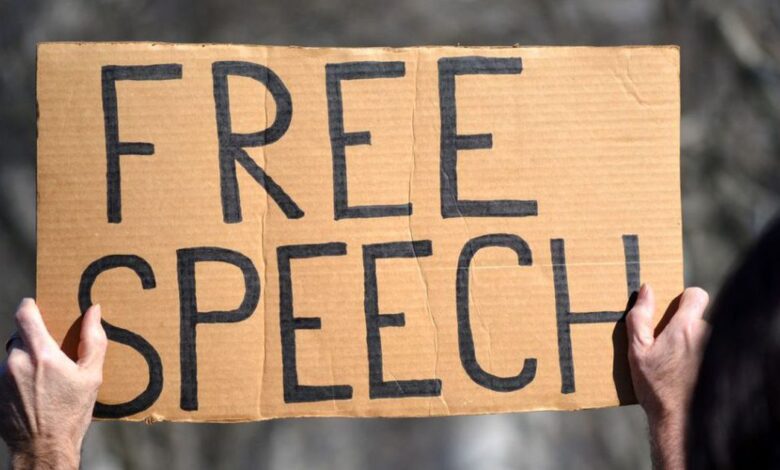
The Media Foundation for West Africa (MFWA) has expressed deep concern over what it describes as an “escalating pattern of state-backed arrests and detentions” of bloggers and activists in Ghana under the pretext of combating “false news.”
In a statement dated 9 December 2025, the foundation highlighted the urgency of the issue, noting that the latest in the series of high-profile cases is the arrest of Democracy Hub activist Wendell Nana Yaw Yeboah. The MFWA warns that this arrest signals a troubling retrogression in Ghana’s democratic credentials.

Arrests Targeting Critics of Public Officials

The MFWA cited several recent cases to illustrate its concerns. On 26 November 2025, Yeboah was arrested by the Criminal Investigations Department following a petition by the “Ashanti Democrats” on behalf of three Regional Ministers. He had allegedly accused the ministers of involvement in illegal mining operations but had issued a formal retraction and apology on 18 November, admitting the claims were unsubstantiated.
Blogger Samuel Amadotor was arrested on 20 November 2025 following a complaint by former National Communications Authority Board Chairman Okatakyie Boakye Danquah Ababio II, accused of publishing false news.
Other notable cases include Kwame Baffoe, opposition NPP regional chairman, arrested for offensive conduct and publication of false news; Wontumi TV presenter Akyemkwaa Nana Kofi Asare, abducted and later found at Police Headquarters; and TikTok creators Prince Ofori and Yayra Abiwu, arrested over remarks regarding a military helicopter crash.
“Twin Laws” and the Threat to Free Speech

The MFWA argues that many of these arrests have been carried out under Section 208 of the Criminal Offences Act, 1960 (Act 29) and Section 76 of the Electronic Communications Act (Act 775). Legal experts refer to these as the “twin laws” that survive the repealed criminal libel provisions. The MFWA warns that these laws have been applied arbitrarily to protect public officials rather than uphold public peace.
The foundation also criticised the proposed Misinformation, Disinformation, Hate Speech and Publication of Other Information (MDHI) Bill, 2025, warning that it risks replicating the repressive elements of the past. The MFWA noted that the threshold for “hate speech” in the bill is so elastic that it could encompass any speech merely embarrassing or politically inconvenient to those in power.
A Call to Uphold Democratic Freedoms

President John Mahama
The MFWA urged the government to prioritise civil remedies over criminal prosecution in cases of defamation or reputational harm, warning that criminal prosecution threatens the liberty of citizens, chills free speech, discourages whistleblowing, and reduces civic space.
The foundation issued a series of calls to action, including the immediate dropping of charges against all victims, judicial restraint through non-custodial sentences, urgent legislative reform to repeal Sections 208 and 76, and a review of the MDHI Bill to ensure it does not reintroduce repressive measures.
The MFWA concluded that the arbitrary arrests for speech offences threaten Ghana’s reputation as a beacon of media freedom in Africa, emphasising that the nation cannot claim to uphold free expression while critics are detained for exercising that right.